Effectiveness of Game-based Circuit Exercises on Physical Functions and Quality of Life in Stroke Survivors: A Randomised Controlled Trial in Malaysia
Game-Based Circuit Exercises among Stroke Survivors
Vol. 21 No. 2 : 2026 (964-987)

Abstract
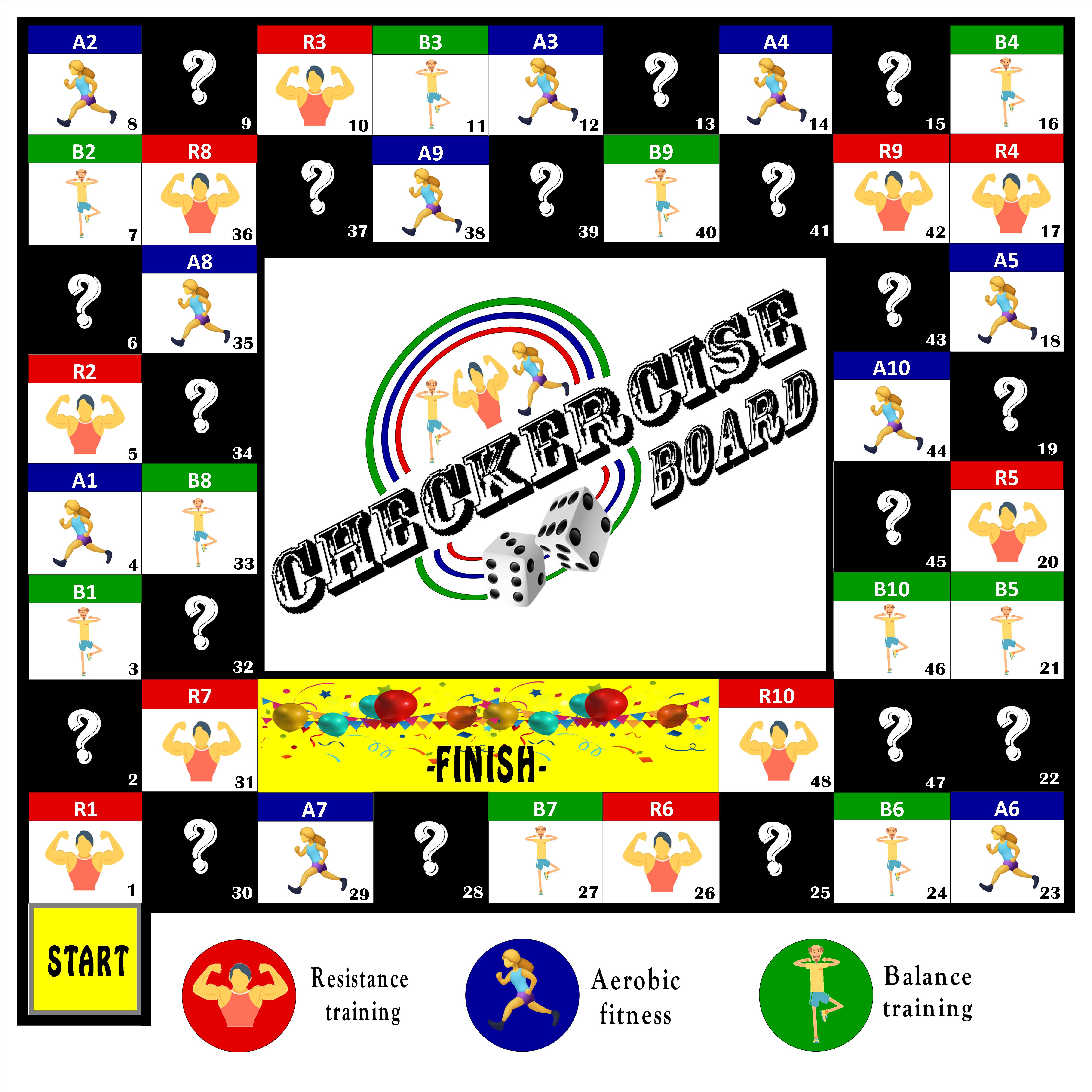
Stroke survivors often experience functional decline that limits independence and reduces quality of life. Circuit exercise enhances functional outcomes; however, evidence on incorporating gaming into rehabilitation remains scarce. Checkercise®, a novel game-based circuit exercise, was developed to integrate therapeutic training with engaging gameplay. This study examined its effectiveness compared with conventional circuit exercise. A parallel randomised controlled trial was conducted with 88 subacute stroke survivors (mean age = 58.6 + 9.9 years), randomised to experimental (Checkercise®) or control groups. Both groups received supervised sessions twice weekly for 12 weeks. Outcomes included the 30-second chair rise test (lower limb strength), Dynamic Gait Index (DGI) (dynamic balance), 6-minute Walk Test (6mWT) (aerobic endurance) and Short Form-36 (SF-36) (quality of life). Assessments were performed at baseline (pre-assessment) and at 12, 24 and 36 weeks. Mixed-model ANOVA was used for analysis. Results showed significant interaction effects (p < 0.05) with a small effect size (0.03–0.04) for lower limb strength and SF-36 physical and mental scores, with greater improvements in the experimental group (30 second chair rise test: +34%; SF-36 physical: +41%; mental: +29%) versus controls. Significant group effects (p<0.05) with a small effect size (0.04–0.05) were also observed for DGI (+18% versus +16%) and 6mWT (+30% versus +25%). Post hoc analyses demonstrated sustained improvements at six months (p < 0.05) for 30-second chair rise test (10%), DGI (4%), 6mWT (12.8%) and the SF-36 physical scores (8.9%) in the experimental group, while the control group retained gains only in DGI (4%) (p<0.05). In conclusion, Checkercise® was effective in improving and sustaining physical functions and quality of life, supporting its potential as an engaging rehabilitation strategy.
Keywords :
Function; quality of life; stroke,
Correspondance Address
*Correspondence: norazlin8@ukm.edu.my